How to care for stray, feral and community cats living outside
Spot a community of stray cats living outside? Here’s what you should know about caring for them and trap-neuter-return programs.
Problem Solved
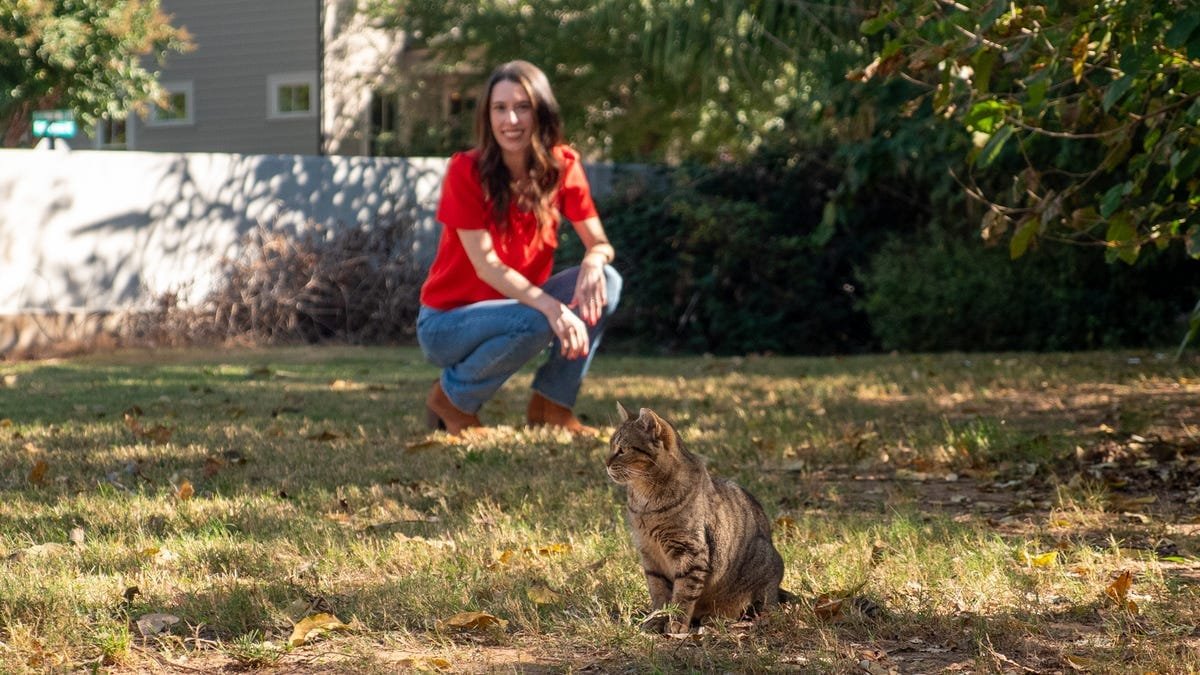
Some cats love their humans, some cats like their humans and other cats prefer to have no human at all. Those independent, unowned, free-roaming outdoor felines are community cats.
Cats can be pretty self-sufficient as long as they have access to food, water and shelter. In addition to what they can scavenge on their own, community cats may accept help from kind humans in the form of food and shelter. Aside from providing the occasional meal, the best thing you can do for these felines is leave them be.
Watch this video for tips on how to care for the outdoor cats in your community.
Unowned cats can vary in how they feel about humans. They may be incredibly skittish, eventually warm up to you or retreat to their favorite hiding place until you’re gone.
Some cats may not be comfortable in an open, exposed space. If you’re bringing food, leave it in or near the trees or bushes where they feel safest so they can eat stress-free. For outdoor cat beds or houses, consider the weather and opt for one that’s durable and covered to give cats respite from the elements.
The Atlanta Humane Society does not recommend trying to domesticate a feral or outdoor cat. They’re acclimated to life outside and may not tolerate — or appreciate — a change in environment.
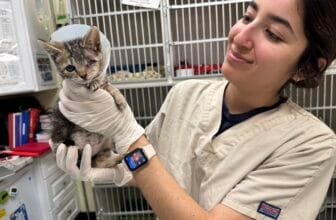
As mentioned, the best thing you can do for these cats is leave them alone. However, there are times when you should intervene. If a cat is obviously hurt, showing signs of illness or acting aggressively, contact your nearest veterinarian, rescue group or humane society for assistance.
If you spot kittens that appear to be without a mother, look again. Just because you don’t see her doesn’t mean she doesn’t see you.
Before you swoop in and take them home, monitor the kittens to see whether the mother returns. The Atlanta Humane Society recommends waiting no more than three to four hours. If you can’t stay, put a thick ring of flour around the kittens and check back later to see whether it has been disturbed by paw prints. A good sign the kittens are being cared for is if they are alive, clean, alert and appear healthy.
You should intervene if:
The kittens are too close to a busy road. Move them out of harm’s way, but no more than 10 feet from where you found them.They appear dirty, emaciated or lethargic. The mother does not return.
One way to keep community cats healthy is to get them sterilized and vaccinated.
When you spot a community cat, look for a tipped ear — a sign it has been spayed or neutered. A tipped ear is flat at the top instead of pointed. This is a widely recognized sign the animal has been sterilized.
If the cat doesn’t have a tipped ear, contact your local shelter, veterinarian or humane society to ask about trap-neuter-return programs for outdoor cats.
These programs capture the cat and take it in to be spayed or neutered, vaccinated and tattooed and have its ear tipped before it’s returned to its outdoor home.