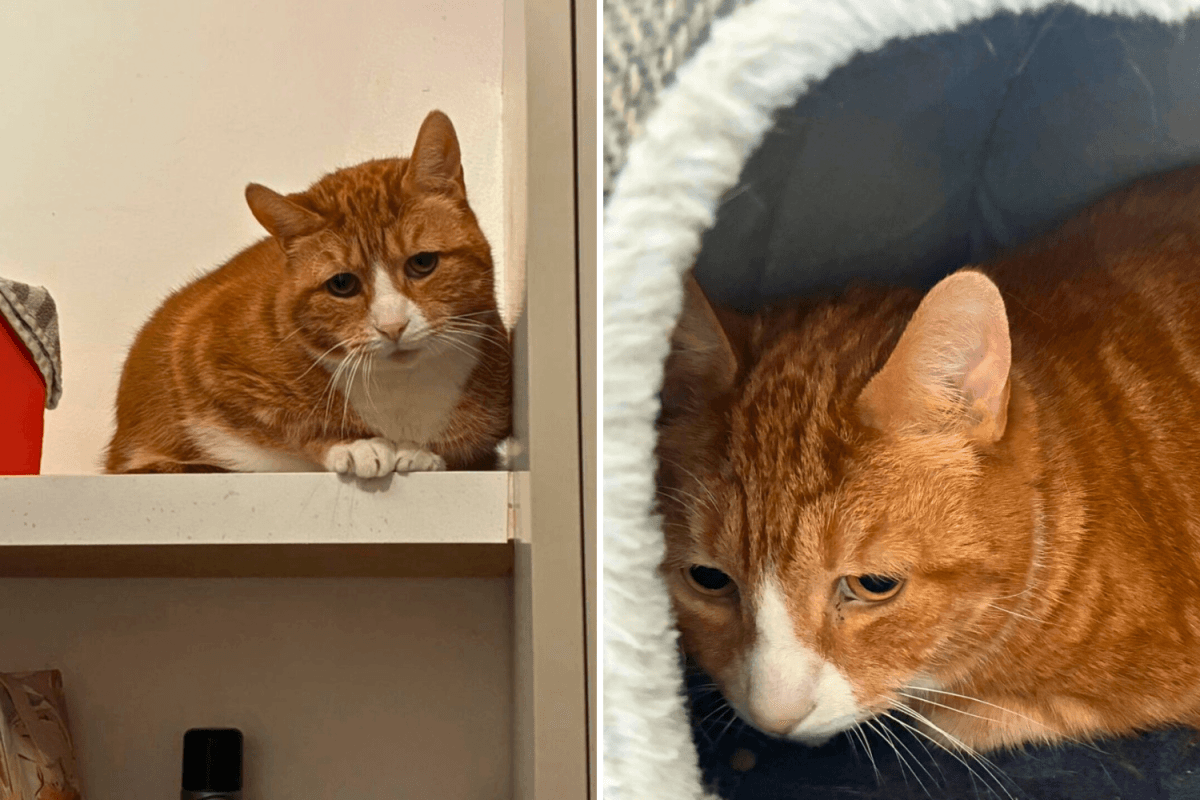
An 11‑year‑old cat named Neo is looking for a permanent home after being taken into rescue care when his owner was hospitalized and could no longer look after him.
Neo has been in foster care in London, U.K., for around two months, but rescuers say he is still struggling to adjust to his new surroundings.
Protected Paws Animal Rescue, a London‑based charity, shared an update about his condition on Facebook, describing him as “completely shut down” and fearful despite being safe.
“He doesn’t understand that he’s safe now. He doesn’t understand that no one is going to hurt him,” the charity wrote on Facebook. “He doesn’t know that love can be gentle.”
According to Protected Paws, Neo needs a calm and patient adopter who is willing to give him time to rebuild trust without pressure or expectations. The rescue said he would benefit from someone “steady enough to prove they won’t disappear.”
Neo came into the care of Protected Paws after his owner was taken into hospital and concerns were raised about the condition of the home. Since then, he has remained in foster care while the charity looks for a suitable long‑term placement.
“He’s a very shy boy and needs a quiet home where they can give him the time to adjust and gain trust for humans again,” the rescue’s founder Kerry Flynn told Newsweek, adding that Neo can live with other cats.
Read More
Across the United States, rescue groups and shelters continue to play a critical role in rehoming cats, even as pressures on the system persist. According to Shelter Animals Count, nearly 3 million cats entered U.S. shelters and rescues in 2025. Adoption outcomes, however, showed continued strength: around 63 percent of cats entering shelters were adopted, with adoption rates for adult and senior cats improving over the past decade.
The report also found that rescues—many of which operate through foster‑based networks rather than physical shelters—accounted for a growing share of cat placements, helping absorb animals transferred from government shelters.
Despite these gains, older and shy cats can face longer stays in care, underscoring ongoing challenges for rescues seeking patient adopters willing to support animals with additional emotional or behavioral needs.
The charity explained that Protected Paws is a volunteer‑led rescue focused on helping vulnerable animals, particularly those that are sick, injured, abandoned or at risk.
It operates through a network of foster carers and works closely with veterinary practices to provide tailored medical care and rehabilitation.
“As a registered veterinary nurse, I founded Protected Paws to bridge the gap between clinical expertise and hands‑on rescue,” Flynn said. “We often take in complex medical and welfare cases that require intensive treatment and long‑term support.”
Do you have funny and adorable videos or pictures of your pet you want to share? Send them to life@newsweek.com with some details about your best friend, and they could appear in our Pet of the Week lineup.