Loni Nannini
Special to the Arizona Daily Star
The Hermitage No-Kill Cat Shelter and Sanctuary has hit a nonprofit milestone: Arizona’s first no-kill, no-cage cat shelter and accredited cat sanctuary is turning 60, and it’s celebrating with a birthday bash.
“This should be lots of fun,” said Victoria Martel, Marketing Coordinator for the Hermitage. “We are hoping to share with people that we are excited to be part of the Tucson community for 60 years. We are a staple in the animal welfare community, but lots of people still don’t know we are here and we want to let them know … and for those who have been supporters, this is a celebration and a ‘thank you and we still have so much to do.”
Founded in 1965 by the late Sister Theresa Seraphim, a Russian Orthodox nun who retired to Tucson from California and turned her home at 5278 E. 21st St. into a refuge, the 9,000-square-foot shelter now houses 357 cats on-site. It supports an additional 75 cats through foster homes and adoption partners such as El Jefe Cat Cafe.
People are also reading…
“Sister felt called to take care of animals,” Martel said. “She felt there was a space to be filled within animal welfare, and she was the person to do it.”
She accomplished that by recruiting a dedicated force of volunteers who have evolved over the years but remain committed to her philosophy that no cat will be euthanized except in the case of terminal and painful illness or when compassion demands it, barring a reasonable alternative.
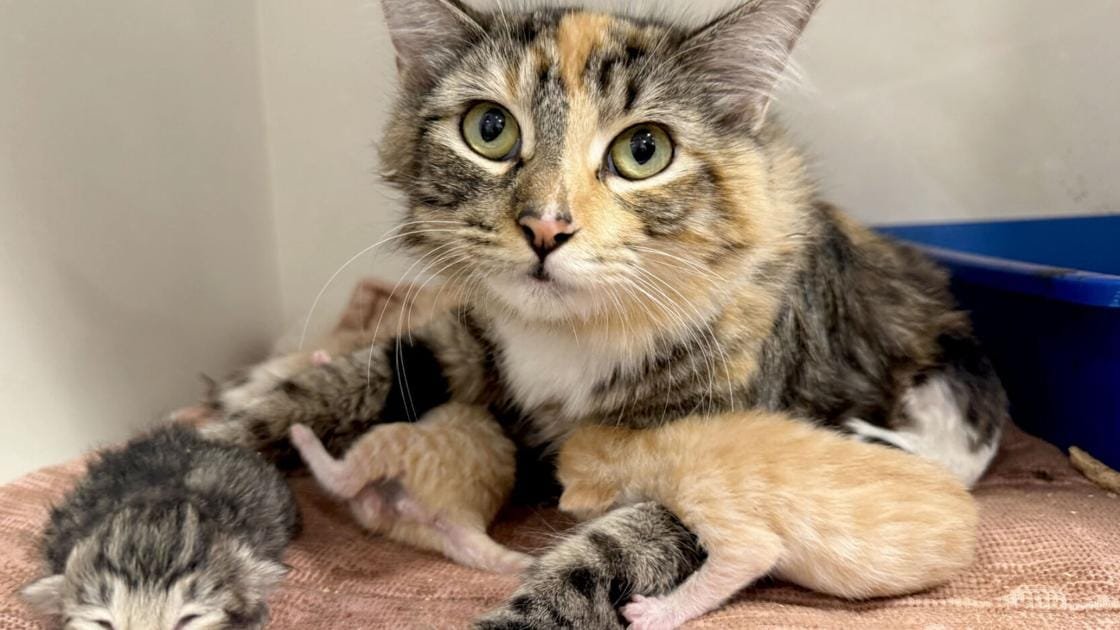
The shelter houses adoptable kittens, adult and senior cats and special-needs cats with health conditions, including urinary tract problems that require special diets, feline leukemia and Feline Immunodeficiency Virus (FIV). It also offers a permanent residence for cats that are not adoptable.
“Our goal is to be their home as long as they need us,” said Martel. “We want them to be as happy and comfortable as possible. Ideally, all the cats in our care would be able to have a home, but we have some sanctuary cats who will be here for life because of behavioral or medical reasons. It would be too stressful for them to be adopted.”
To make the space as comfortable as possible, long-term supporters facilitated a complete remodel of the home in 2017. They incorporated an administrative office, a medical treatment room, a general population room, a room for cats with feline leukemia, enclosed “catios” to allow the cats to move freely and safely from indoors to outdoors, and a pet pantry that has distributed more than 25,000 pounds of pet food to pet owners in need this year.
The logistics of cat care at the Hermitage are astounding: The cat food budget is at least $7,500 monthly, and more than 1,000 pounds of kitty litter are needed monthly to fill more than 50 litter boxes.
“It takes a lot of work to care for all of the cats: It takes a village,” said Martel.
To date this year, a core of 118 active volunteers have logged more than 19,500 hours.
Among those are Clare Yarborough, who fondly describes the volunteers as “a well-oiled machine of chaotic cat people.”
“We cat people hate to be herded, but when you talk about cats needing help, we are all there,” said Yarborough, who had first learned about Sister Seraphim as a University of Arizona grad student many years ago. She began volunteering after moving back to Tucson in 2009 and finding the Hermitage was still operating and providing top-of-the-line medical treatment and personalized care — including names — for each of its felines.
“I found myself liking the whole idea of free-range cats in their natural sort of habitat and not locked in little cages. They have people who know each and everyone one of them and tend to them like they are individuals, just like our own pets,” said Yarborough, who began as a cat socializer for cats with feline leukemia. She also assists with cleaning and sanitizing cat boxes to cut down on disease and with outreach and education activities.
It is all great fun for Yarborough, who has three cats of her own at home—Cloud and Sassy were adopted from the Hermitage—and enjoys the fact that “cats are great company but are self-sufficient. They aren’t always after you for attention and are content to sit by and hang out” when she is reading or writing.
She also takes comfort in the fact that the Hermitage is always here as a source of support for Tucsonans.
“You have great peace of mind knowing that once a Hermitage cat, always a Hermitage cat. I know I can go to them for consults and advice and if anything were to happen to me they would go back to the Hermitage,” Yarborough said.
Ultimately, Martel and other supporters hope that the community will join them in celebrating at the upcoming 60th Birthday Bash, which seeks to raise $20,000.
“We want to make sure we are here for people who can’t keep their pets anymore and need a place for their animals to go. It is so important to provide that for the community,” said Martel.